As a new year begins, many people feel both energized and overwhelmed by the idea of goal-setting. We know goals matter, but we also know how often they fade by February. The issue usually isn’t motivation or intelligence. More often, it’s misalignment.
At PeopleKeys, we have seen again and again that sustainable growth happens when you work with your natural behavioral style, not against it. That’s why knowing your DISC profile is so important. When you combine DISC with a proven goal-setting framework like SMART, you gain a powerful way to set goals that are clear, realistic, motivating, and achievable for you.
Let’s take a closer look at what makes a goal SMART, then look at SMART goals through the lens of DISC. With these tactics in your pocket, you will be set up to make your 2026 goals stick!
What Are SMART Goals?
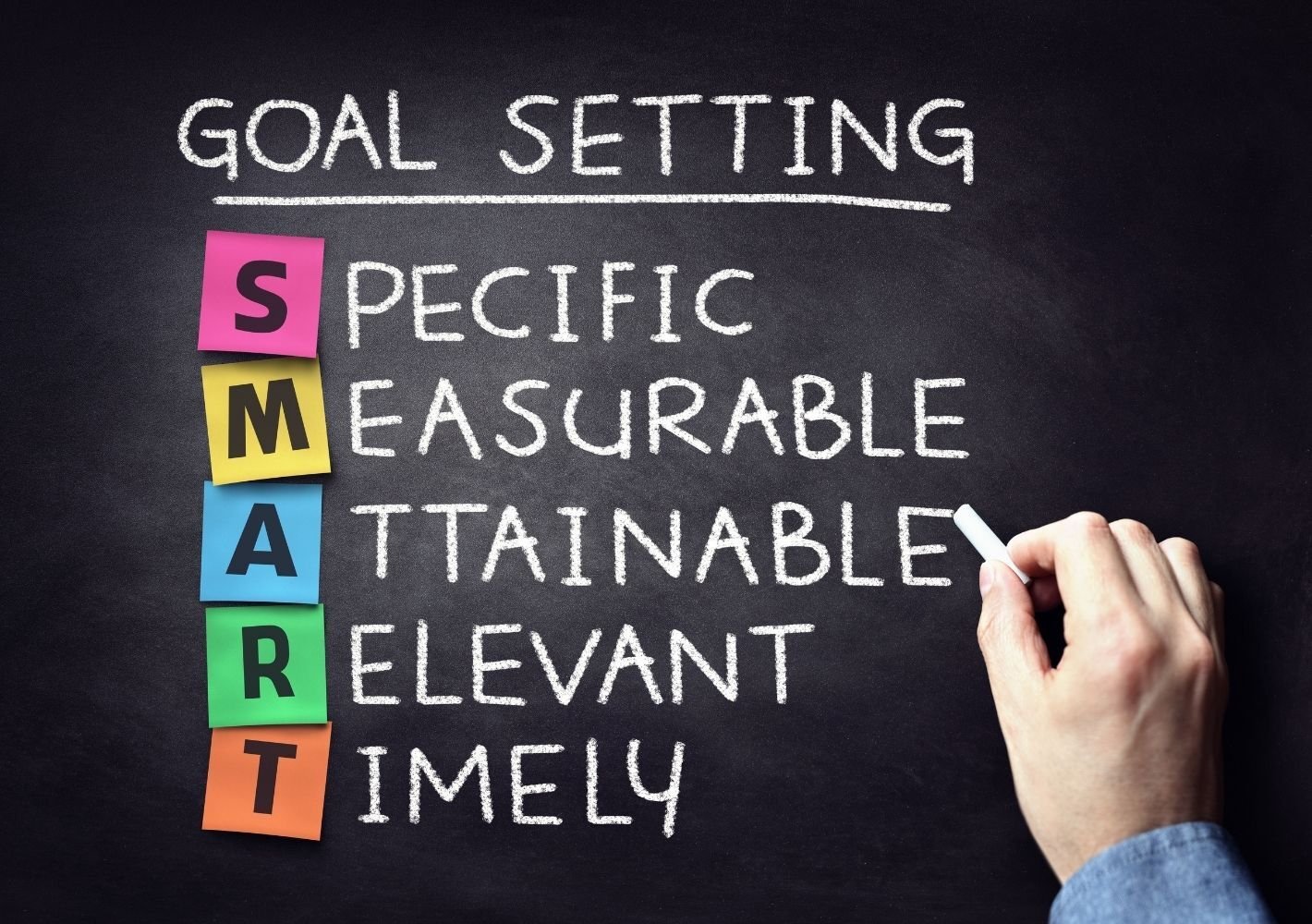
SMART is a widely used goal-setting framework designed to turn good intentions into executable plans. A SMART goal is:
- Specific: Clearly defined, not vague
- Measurable: Trackable with objective criteria
- Achievable: Realistic given your resources and constraints
- Relevant: Meaningful and aligned with broader priorities
- Time-bound: Anchored to a deadline or timeframe
SMART goals work because they reduce ambiguity. But here’s the catch: how people respond to structure, measurement, timelines, and relevance varies dramatically by DISC style. That’s why layering DISC onto SMART makes the framework far more effective.
Why DISC Matters in Goal-Setting
DISC describes how people naturally approach problems, decisions, pace, and priorities. These same tendencies show up clearly in goal-setting:
- What excites you about a goal
- What stresses you out
- How much structure you need
- Where you’re most likely to stall or disengage
Rather than using a one-size-fits-all approach, DISC allows you to customize SMART goals in a way that increases ownership and follow-through.
Let’s look at how each DISC style can use SMART more effectively.
D Personality Style: Turning Ambition into Focused Action
People with a strong D style are driven by results, challenges, and forward momentum. They’re often great at setting bold goals, but less enthusiastic about documentation or detail.
How to use SMART with a D style:
- Specific: Focus on outcomes, not processes. Define what winning looks like. Instead of: “Improve team performance,” try: “Increase team output by 15%.”
- Measurable: Use metrics that signal progress quickly, like KPIs, scorecards, or benchmarks.
- Achievable: Watch for overreach. D styles benefit from pressure, but unrealistic goals can lead to frustration or shortcuts.
- Relevant: Tie goals to impact, authority, or competitive advantage. If the goal doesn’t matter strategically, motivation drops.
- Time-bound: Shorter timelines often work best. Break annual goals into quarterly or 90-day sprints.
DISC tip: D styles often benefit from an accountability partner who will ask follow-up questions and help maintain focus when the next big idea appears.
I Personality Style: Channeling Energy into Consistent Progress
Those with a strong I style are energized by people, possibilities, and enthusiasm. They love starting goals, but may struggle with consistency or follow-through.
How to use SMART with an I style:
- Specific: Add clarity to avoid “idea overload.” Write goals down and narrow them to one primary outcome.
- Measurable: Use visible, motivating measures—milestones, celebrations, or public commitments.
- Achievable: Build in flexibility. Overly rigid goals can feel restrictive and demotivating.
- Relevant: Connect goals to relationships, recognition, or positive influence.
- Time-bound: Use checkpoints rather than one distant deadline to maintain engagement.
DISC tip: I styles often do best when goals are shared. Talking through progress with others reinforces commitment and momentum.
S Personality Style: Creating Stability While Moving Forward
People with a strong S style value consistency, harmony, and reliability. They may hesitate to set goals that feel disruptive, but once committed, they’re remarkably persistent.
How to use SMART with an S style:
- Specific: Clearly define expectations to reduce uncertainty. Ambiguity creates stress.
- Measurable: Focus on steady progress rather than dramatic leaps. Trend lines matter more than spikes.
- Achievable: Ensure goals feel realistic and manageable within existing responsibilities.
- Relevant: Connect goals to team benefit, service, or long-term stability.
- Time-bound: Allow sufficient time. Gradual timelines reduce resistance and increase confidence.
DISC tip: S styles benefit from reassurance and clarity about why a goal matters and how change will be supported along the way.
C Personality Style: Turning Precision into Progress
Those with a strong C style value accuracy, quality, and logic. They often set well-thought-out goals, but may delay action in pursuit of perfection.
Using SMART with a C style:
- Specific: Be detailed, but avoid overengineering the goal. Focus on essential criteria.
- Measurable: Use objective, data-based metrics wherever possible.
- Achievable: Confirm resources and constraints upfront to reduce second-guessing later.
- Relevant: Tie goals to quality, expertise, or system improvement.
- Time-bound: Set firm deadlines to counter analysis paralysis, even if refinement continues later.
DISC tip: C styles benefit from permission to iterate. A “version 1.0” mindset helps move goals from planning to execution.
Putting It All Together: DISC-SMART Goal Alignment
As you plan for 2026, consider these reflection questions:
- Which parts of goal-setting energize me and which parts drain me?
- Where does my DISC style naturally support SMART?
- Where do I need to intentionally adapt the framework?
SMART goals provide structure. DISC provides personalization. Together, they create goals that are both clear and compelling.
Better Goals Start with Better Self-Awareness
Goal-setting isn’t just about what you want to achieve—it’s about how you’re most likely to achieve it. When you align your goals with your DISC style, you remove unnecessary friction and increase the likelihood that this year’s goals won’t just be set, but successfully reached.
If you don’t know your own DISC style or the DISC styles on your team yet, now is the perfect time to find out. PeopleKeys offers a variety of behavioral analysis and profiling tools that provide a greater understanding of yourself and others.
Then, as you step through 2026, you can harness the power of DISC as a strategic advantage in how you plan, commit, and grow, both personally and professionally.